Best Time For A Monuriki Island Cruise: Seasons, Seas And Visibility
Fiji splits the year into a wet, warm stretch from roughly November to April and a cooler, drier one from May to October. For a Monuriki day cruise the choice between them is really a choice between heat and haze on one side and cooler air and steady breezes on the other, with cyclone risk layered over the wet months.
Short answer
The cooler, drier stretch from May to October is generally the easier window for a Monuriki day cruise, with lower cyclone risk and softer humidity. The wet season, roughly November to April, brings the 2026-27 outlook of two to three cyclones possibly passing through Fiji waters. The only cruise that lands on Monuriki departs Port Denarau at 9:00 am and runs from $136.31 per person.
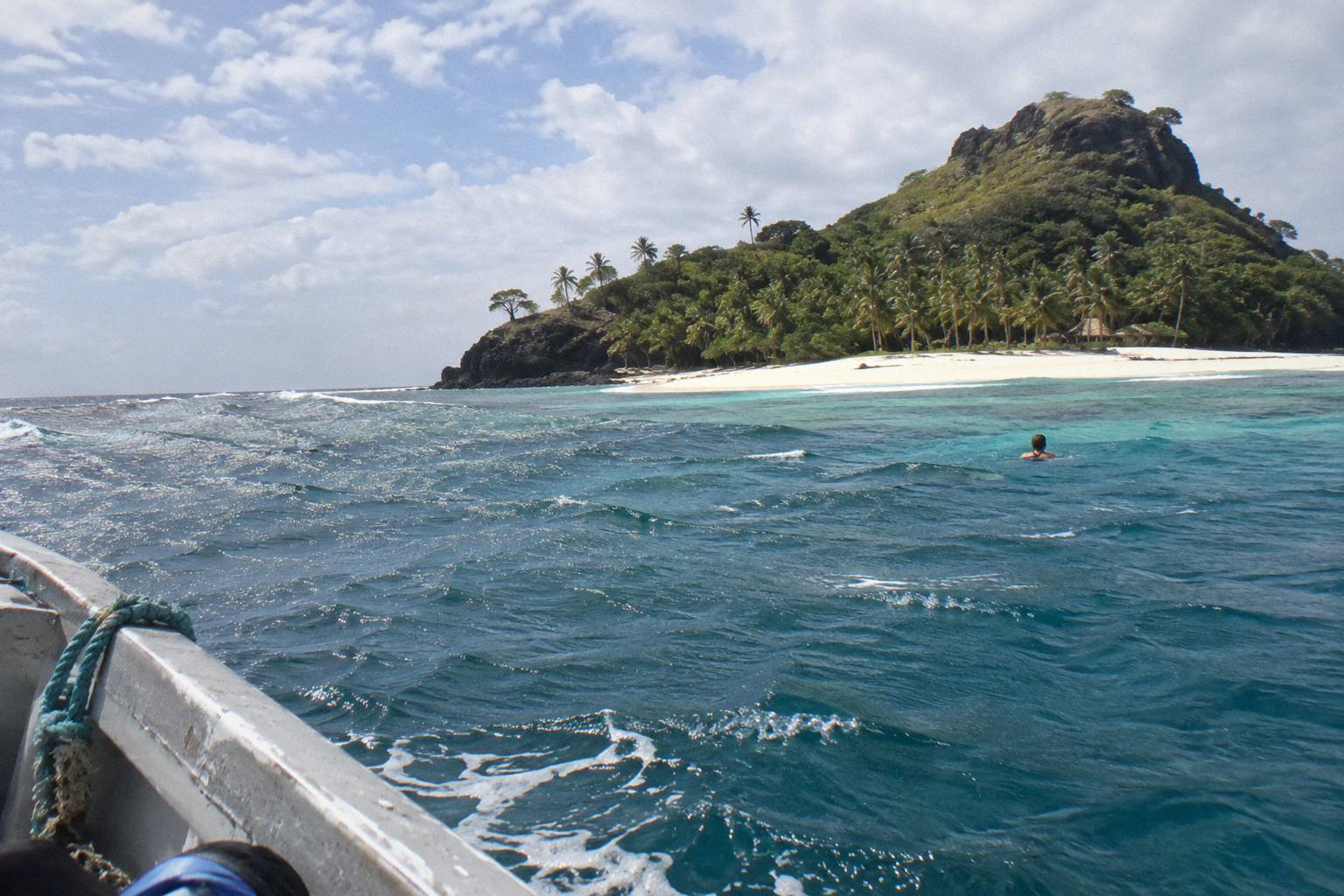
Fiji does not have four seasons. It has a wet, warm stretch that runs roughly from November to April, and a cooler, drier stretch from May to October, and every timing decision about a Monuriki Island cruise hangs off that split. The island itself, a small uninhabited islet in the Mamanuca group where the 2000 film Cast Away was filmed, sits about 1.15 km long and 600 m wide with reef on all sides, and the day cruise that lands there is on the water for roughly eight hours. Pick the wrong month and the trip can still be wonderful. Pick the wrong week and it can be rescheduled.
This guide walks through the two seasons, the official cyclone outlook for the 2026-27 season, the one piece of wildlife timing that matters on Monuriki, and how each operator in the Mamanuca day cruise roster handles a weather cancellation. The short version: the cooler months are the steadier bet, the wet months are warmer and greener with a real cyclone overlay, and no month is guaranteed.
What Is The Best Time For A Monuriki Island Cruise?
For most travellers, the best time for a Monuriki Island cruise is the cooler, drier stretch from May to October, when humidity eases, the cyclone season is over, and trade winds keep a full day afloat feeling fresh. The wet season from November to April is warmer and quieter but overlaps cyclone season, so weigh the trade-offs; operators here allow free cancellation up to 24 hours before departure.
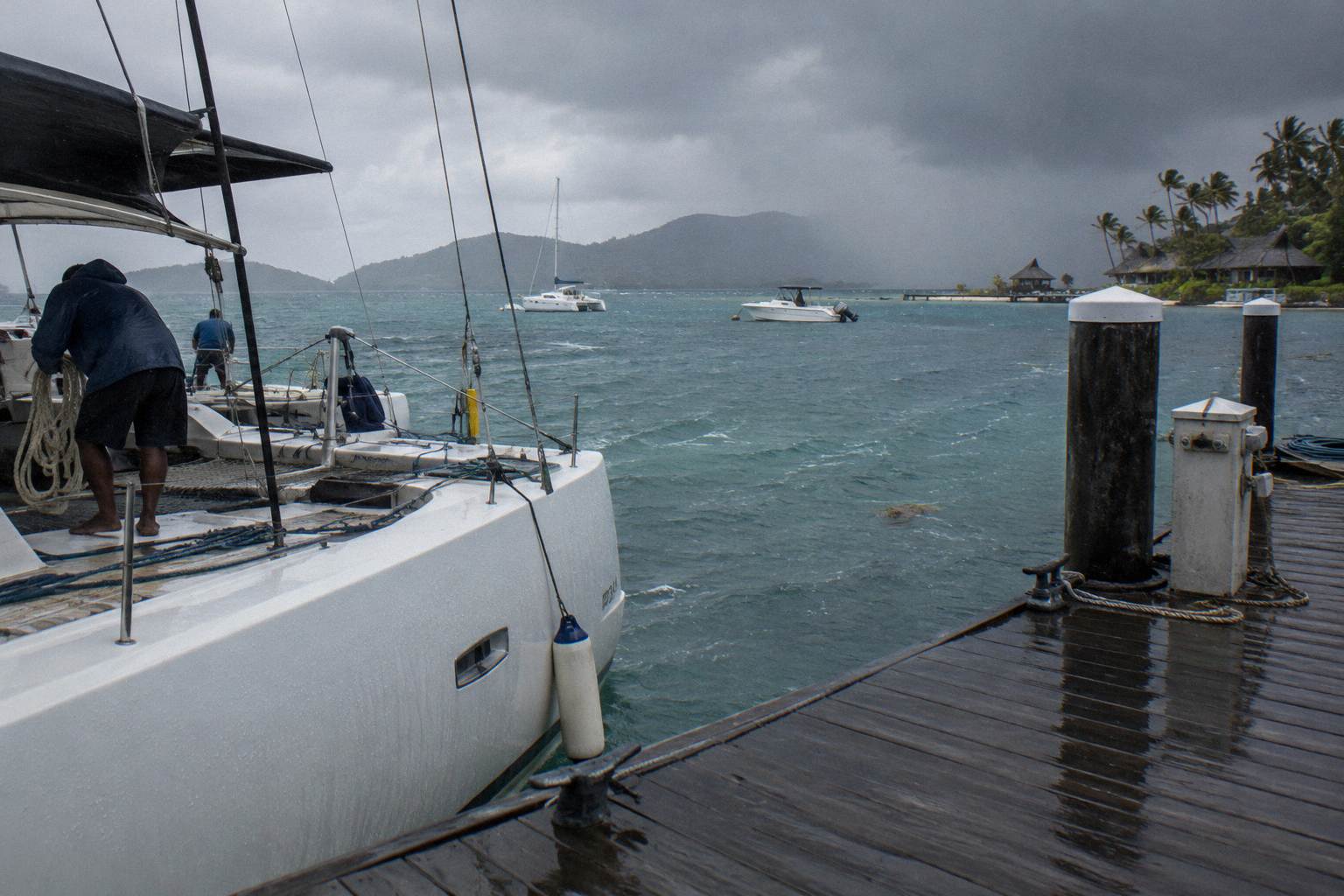
The word "best" needs unpacking, because it depends on what you are optimising for. A traveller chasing the softest air and the lowest chance of a rescheduled day will lean toward the May to October stretch. A traveller visiting in January because that is when the family tickets were bought is not making a mistake; they are simply accepting a different risk profile, and the cruise still runs on most days. What nobody should do is assume the calendar does the deciding for them. Days are cancelled or moved when weather does not allow the cruise to proceed, and the booking terms on all five day cruises in this comparison carry a full-refund clause up to 24 hours before start, plus a reschedule-or-refund offer when the operator cancels for poor weather on the tours where that policy is stated.
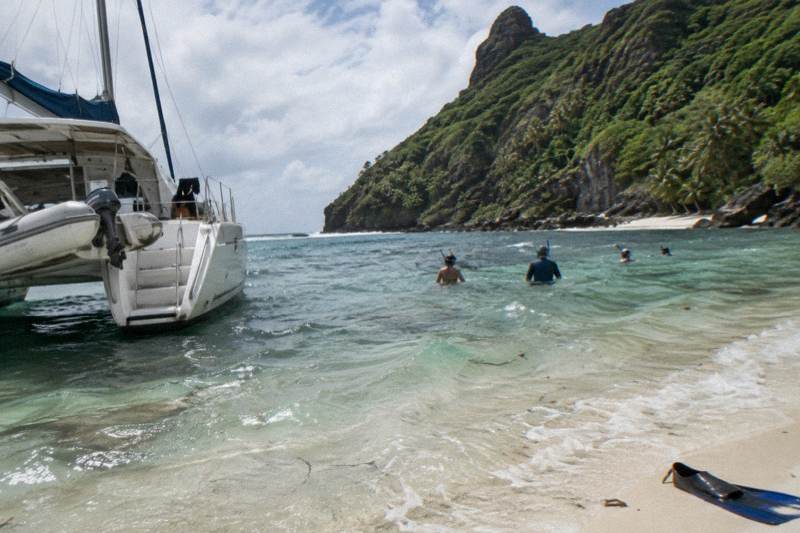
One structural fact matters more than any month. Of the five Mamanuca day cruises, only one, the Cruisin' Fiji Monuriki, Mana Sand Bar and Snorkelling Day Cruise, lists a Monuriki stop and a landing. The other four are Mamanuca sailing days, resort island days and beach club days that do not mention Monuriki at all. Timing advice only fully applies to the one cruise that actually gets you onto the island, so start with how to get to Monuriki Island if the geography is still fuzzy, and read the comparison in which islands and boats the Mamanuca cruises visit before booking anything.
The Two Fijian Seasons And Which Suits A Day Cruise
The cooler, drier season from May to October suits a day cruise best, offering relief from humidity while avoiding the wet season's occasional heavy rain and its annual cyclone risk. Even so, no season is off limits: Monuriki never closes, and the day cruise that lands there departs Port Denarau at 9:00 am year round.
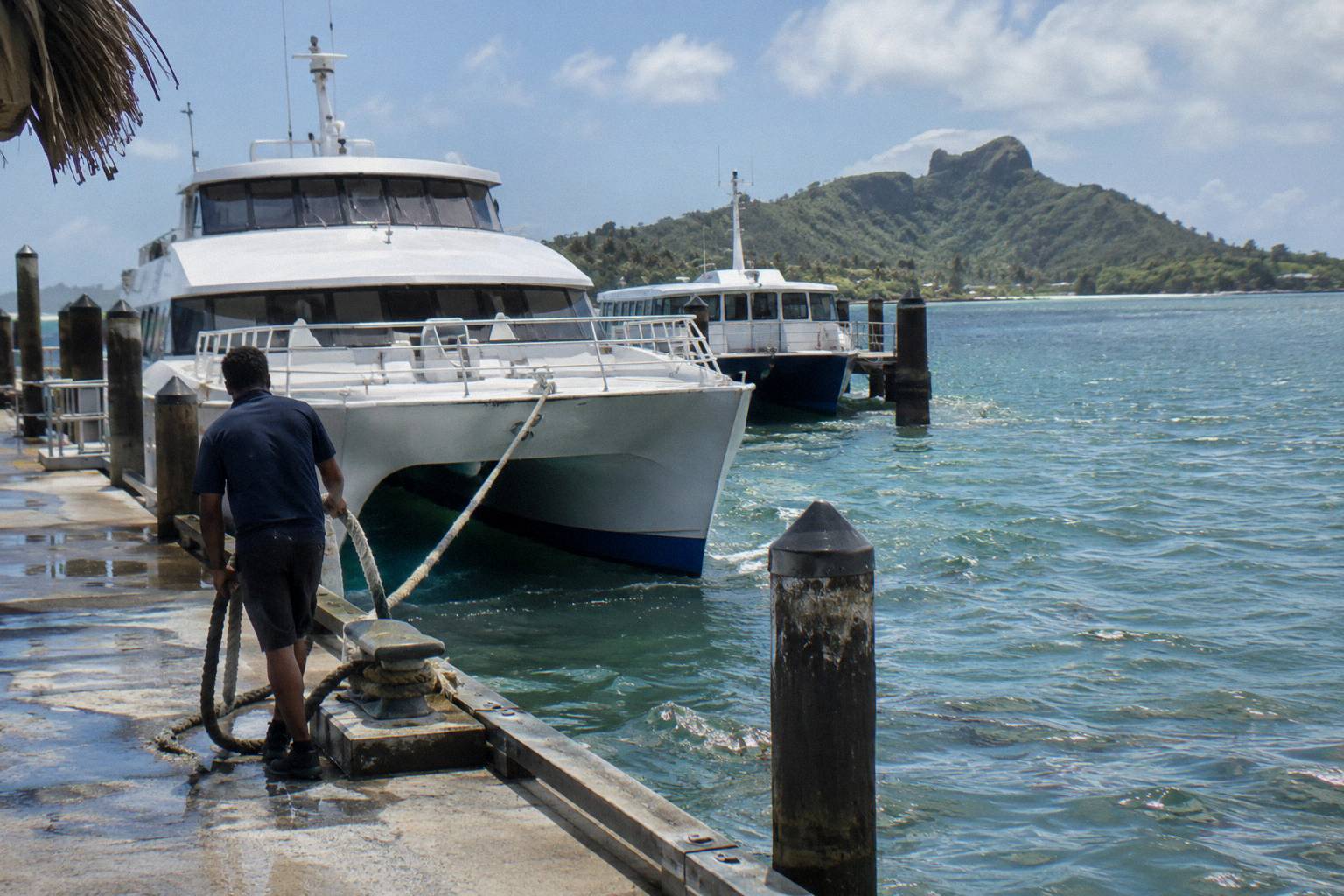
The Mamanuca Islands sit just off the west coast of Viti Levu, and Tourism Fiji describes them as contenders for the country's most picturesque region, with frequent daily boat connections from Nadi. That connectivity is exactly why the season question is about conditions, not access: the boats run through the year from Port Denarau Marina, about 20 minutes' drive from Nadi International Airport, and the departure infrastructure does not pause for either season.
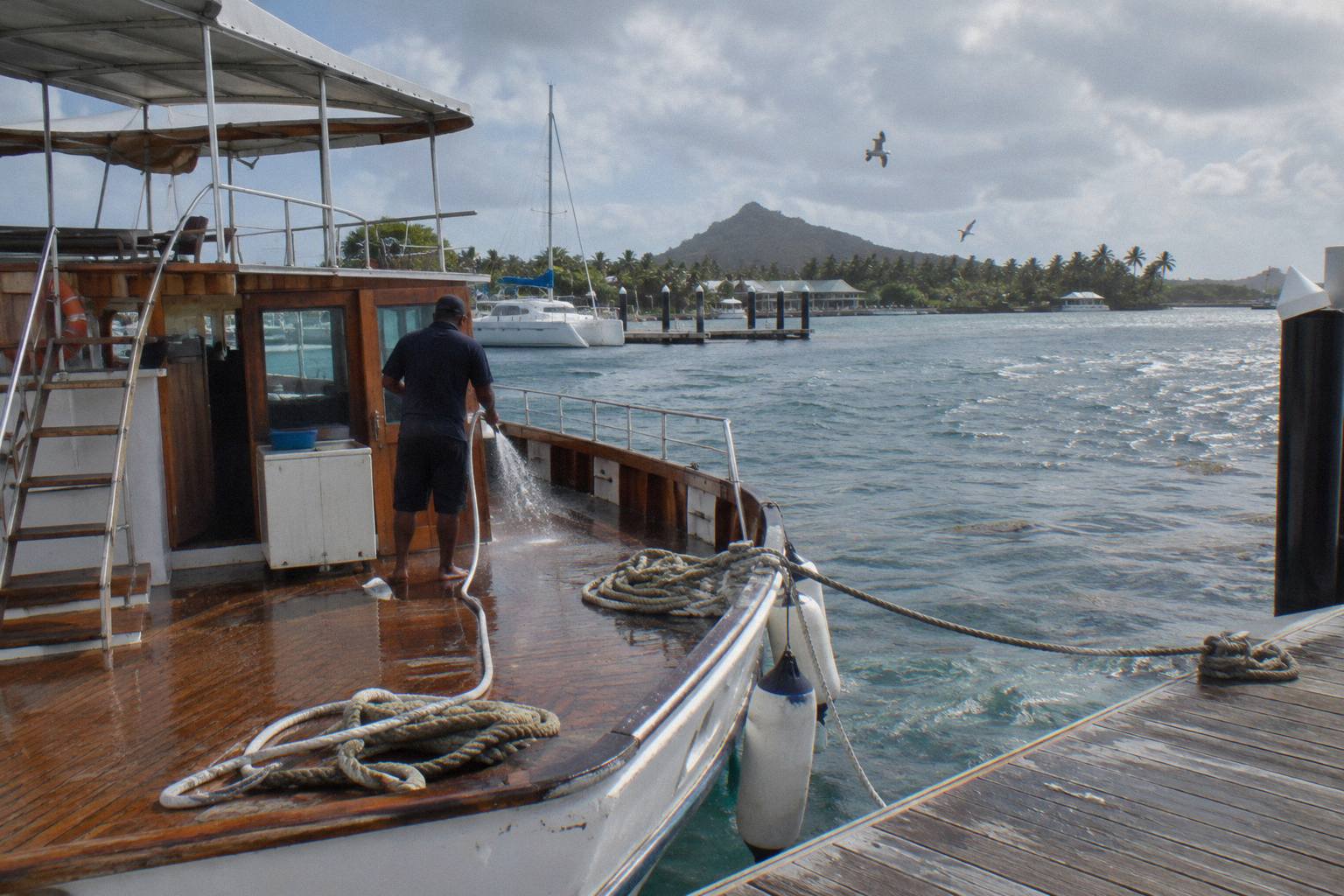
What changes between the seasons is the feel of the day. The cooler stretch trades a little warmth for fresher air on the crossing, and many travellers find a full eight hours on deck more comfortable without peak humidity. The wet stretch is warm and lush, and rain in the tropics often arrives in short heavy bursts rather than all-day drizzle, but the season also carries the cyclone overlay discussed below. This site does not print sea-state, visibility or water-temperature claims, because no official source for Monuriki-specific figures exists; the honest answer is that conditions vary day to day and the operator decides go or no-go.
| Season | Rough months | General character | What it means for a Monuriki cruise |
|---|---|---|---|
| Wet, warm season | November to April | Warmer air, heavier rain events, cyclone season overlaps | Trips still run most days; accept some reschedule risk and pack for heat and showers |
| Cooler, drier season | May to October | Fresher air, outside the cyclone season | Generally the steadier window; still weather permitting, never guaranteed |
Whichever season you choose, the day itself is shaped by the one Monuriki itinerary that is public. The Cruisin' Fiji day cruise departs about 9:00 am with check-in at 8:00 at Booth 6, stops first at Mana Sand Island around 10:00 am, then at a deep cove beside Monu Island for snorkelling and morning tea, then lands on Monuriki for a lovo lunch and two and a half to three hours ashore, leaving the island about 3:30 to 4:00 pm and finishing between 4:30 and 5:00 pm. The operator's own day cruise page carries the full schedule. That is a long, sun-exposed day in either season, which is why the Monuriki Island day trip itinerary guide matters as much as the calendar.
If you are weighing the Monuriki landing day against other Mamanuca formats, these three cover the spread: the island landing cruise itself, a longer all-inclusive sail, and a beach club day.
Cyclone Season And The 2026-27 Outlook
The cyclone season runs through the wet months, and the Fiji Meteorological Service outlook for 2026-27 expects two to three tropical cyclones to pass through Fiji's Exclusive Economic Zone, of which one to two could reach severe Category 3 to 5, with the peak usually in January and February. Regionally, eleven to fifteen cyclones are likely, against an average of about seven, an above-average outlook driven by a firmly established strong El Nino.
Those numbers come from the RSMC Nadi tropical cyclone outlook published by the Fiji Meteorological Service, and they are the only official season figures this guide relies on. The outlook also notes that there is equal risk of cyclones affecting any part of the Fiji Group, that out-of-season cyclones cannot be ruled out, and that disturbances short of cyclone strength can still bring strong winds, heavy rain, landslides and flooding. For a day cruiser the practical reading is simple: a cyclone is a week-level event, not a month-level one, and the reschedule mechanics matter more than the raw count.
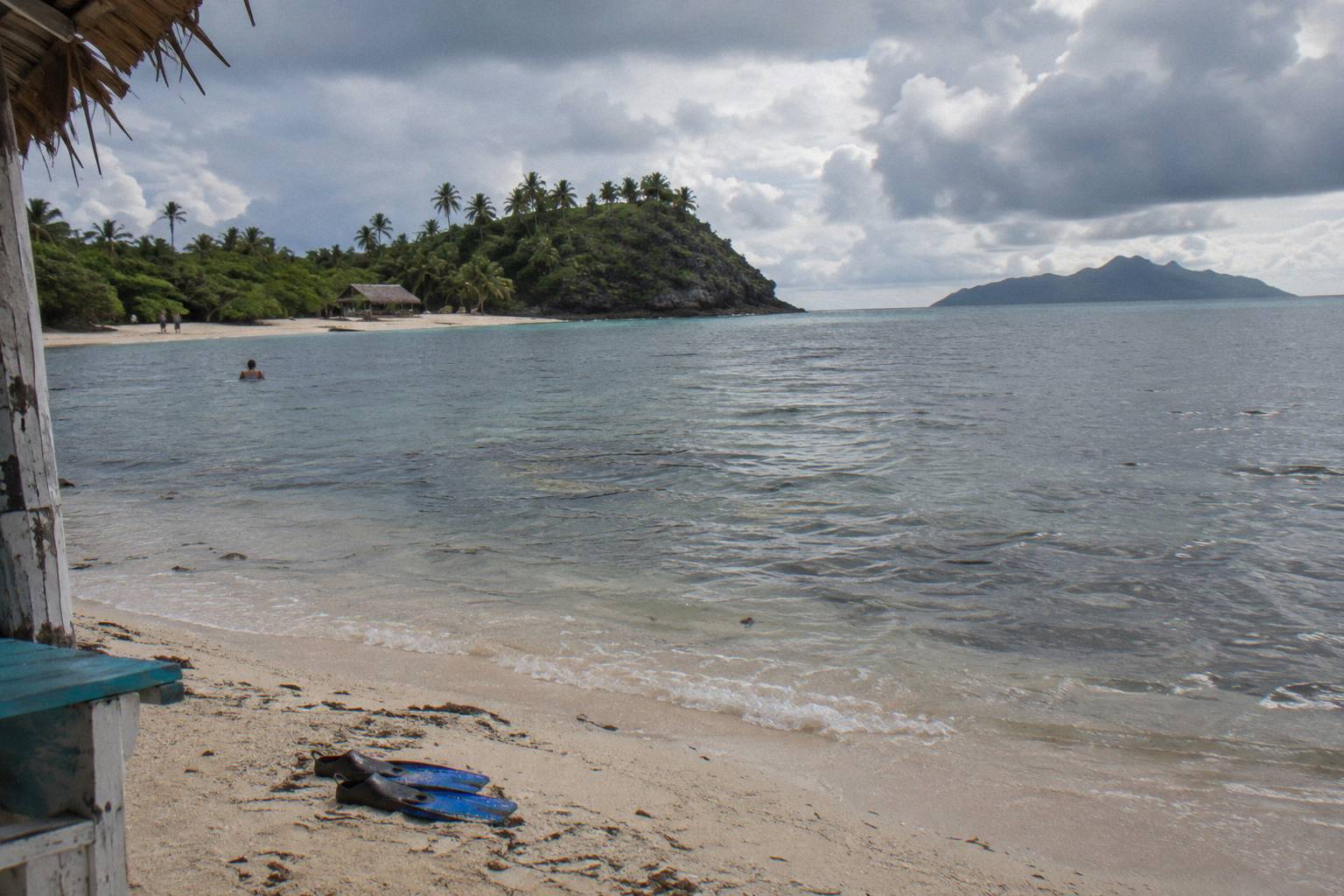
Every operator in this comparison handles the weather question at the booking level. The wording on the live listings of the Cruisin' Fiji day cruise, the Castaway Island day, the Captain Cook day sail and the Malamala Beach Club day all state that if the tour is cancelled for poor weather, a different date or a full refund is offered, and all five carry free cancellation with a full refund up to 24 hours before the start. The Cruisin' Fiji official page separately says a full refund applies if weather does not allow the cruise to proceed. In other words, a cyclone-adjacent week is an inconvenience, not a lost fare, provided you booked through a channel that carries those terms.
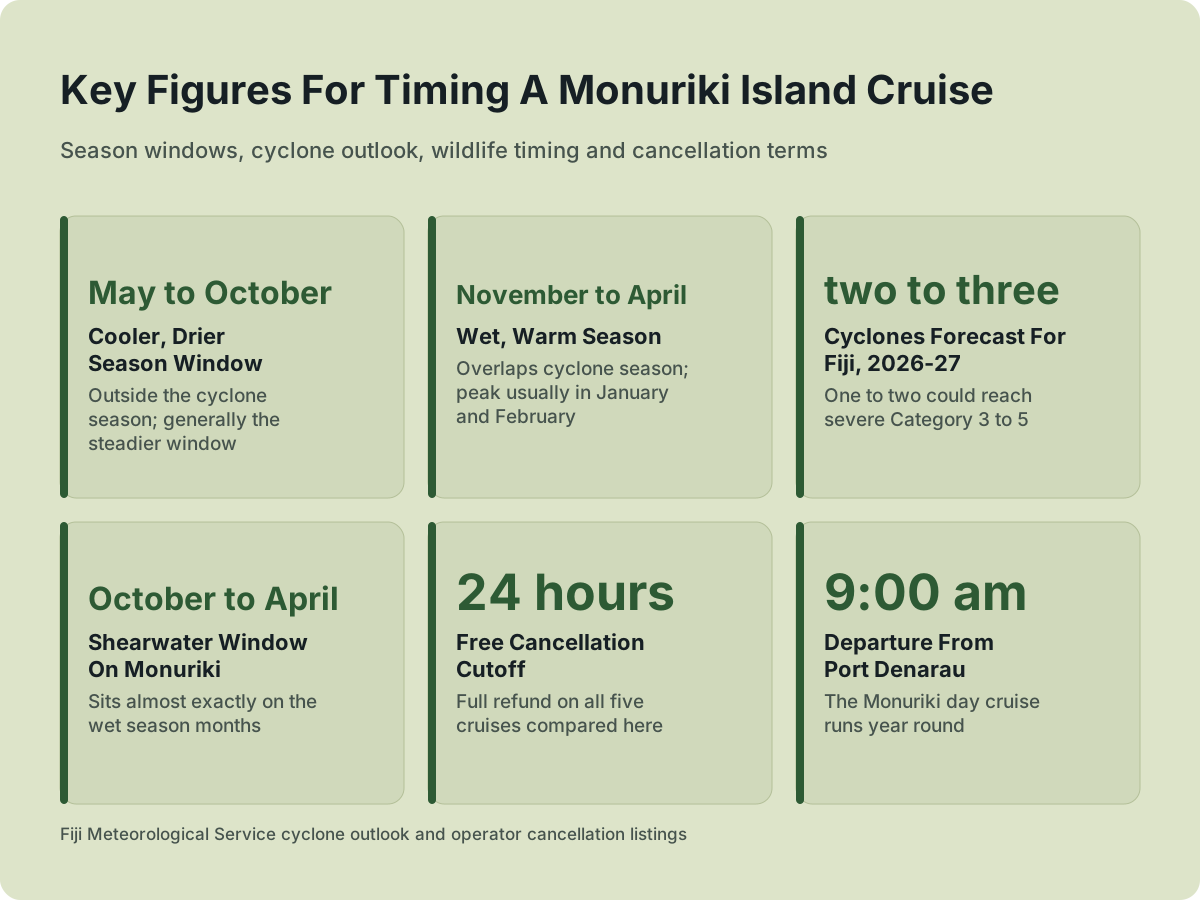
The dated numbers behind that chart, plus the season split, are worth having in one place before you commit to dates.
If your dates fall in the wet months and you want the Monuriki landing specifically, this is the cruise to lock in early; availability on the 63-guest boat tightens when rescheduled trips stack up.
When Wildlife Sets The Calendar: Shearwaters And Turtles
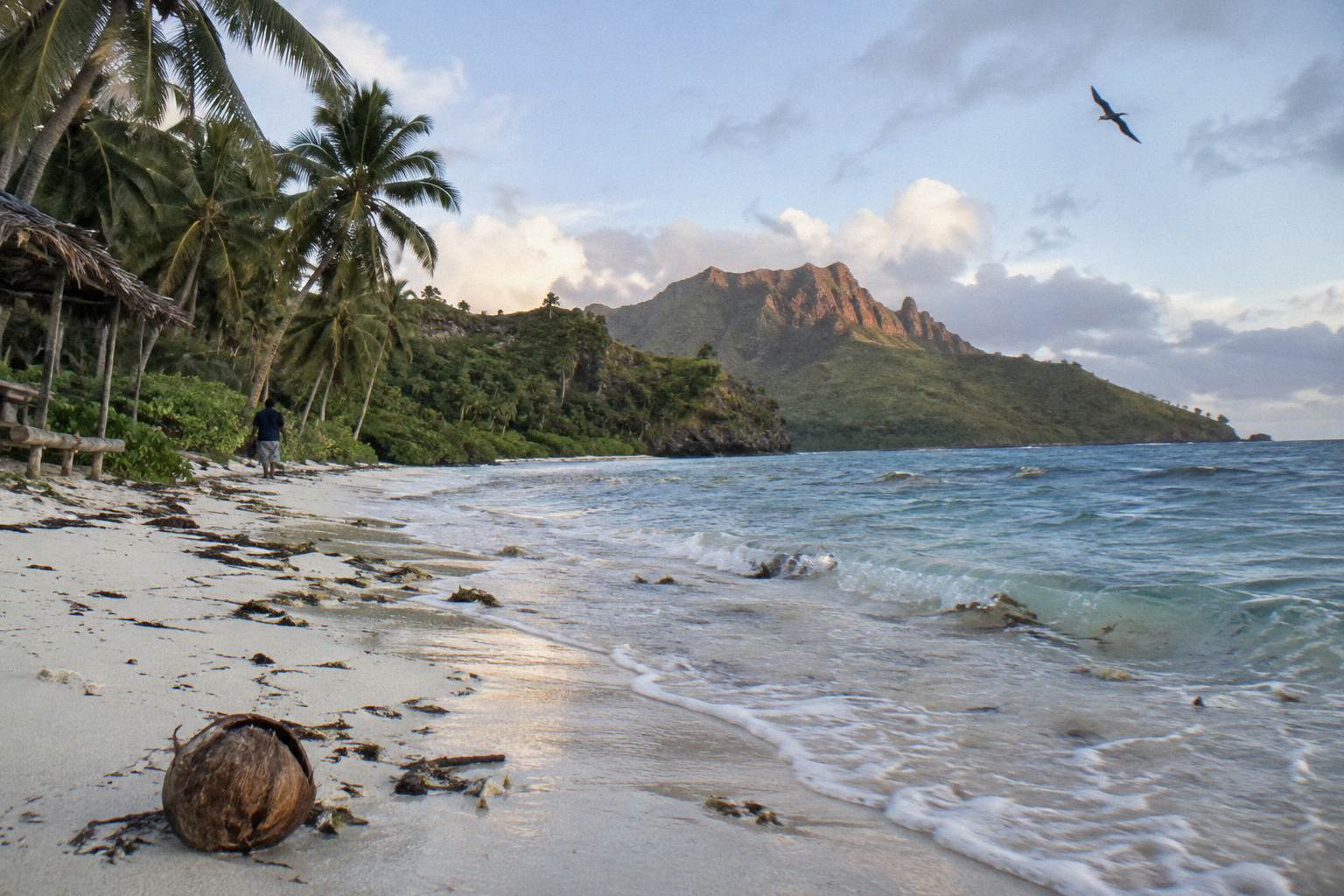
The one wildlife timing fact on Monuriki that a visitor can plan around is the wedge-tailed shearwater season: these seabirds return to the island to breed between October and April, and the colony on Monuriki is counted among the largest and most important in the South Pacific. Turtles also nest on the island's beaches, so walkers are asked to take care on the sand, and the island's Fijian crested iguana population is genetically unique.
These details come from the FIJI Shores and Marinas cruising guide to Monuriki, whose text matches National Trust of Fiji and BirdLife Fiji wording, and they fold neatly into the season picture. The shearwater window, October to April, sits almost exactly on top of the wet season, which means the warmer months are the months with the most happening ecologically on the island. The same source documents habitat restoration on Monuriki since 2011 by the National Trust of Fiji and BirdLife Fiji, including goat removal and a rat eradication programme, protecting a patch of tropical dry forest, one of the most endangered vegetation types.
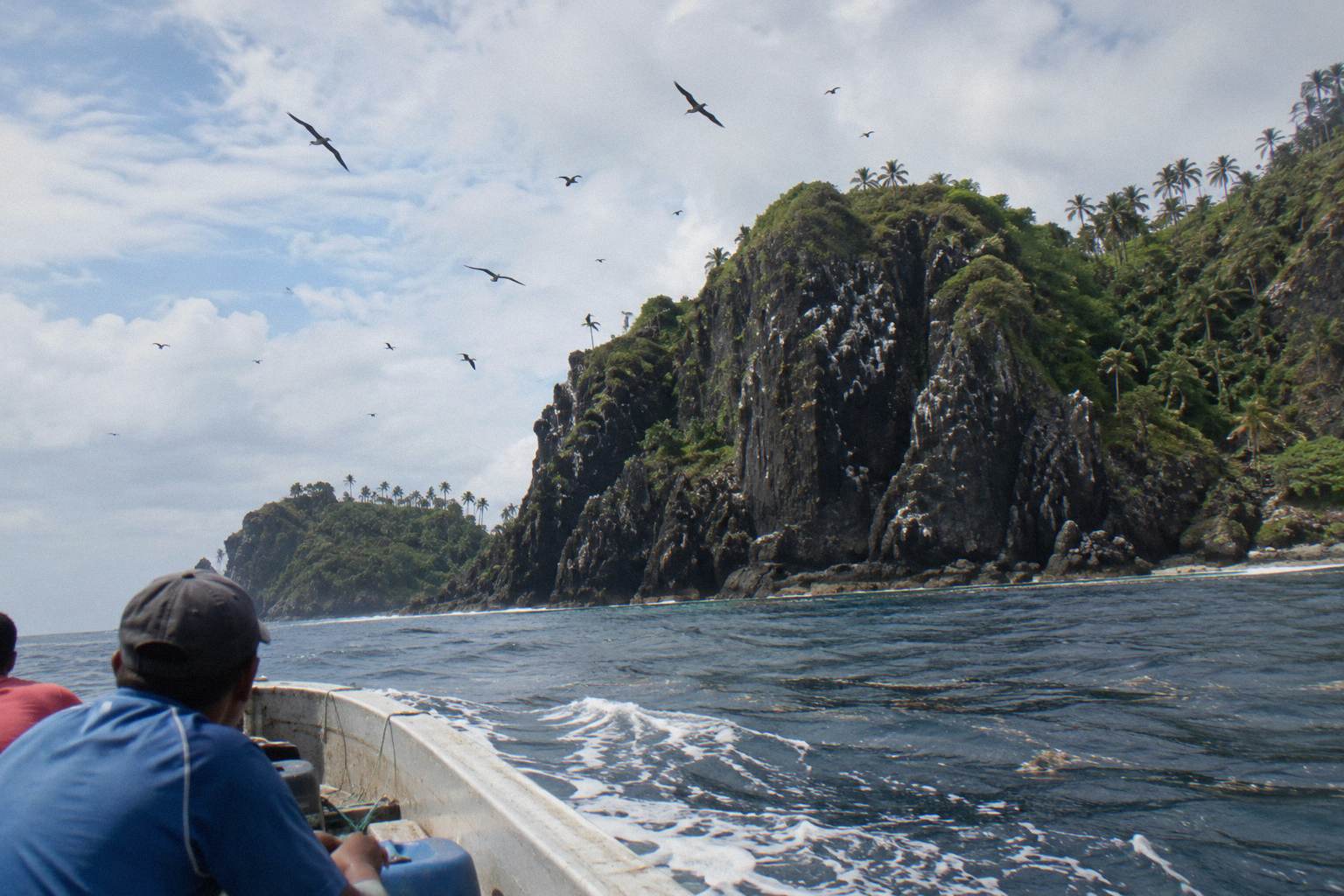
For a day cruiser the practical notes are modest but real. You are unlikely to schedule a whole trip around a shearwater, but if your dates already fall between October and April, know that the island is a working breeding site and that landing rules ask visitors to restrict their movements to the beach they land on, to check bags and gear for seeds, rodents and ants, and to follow the instructions of the Yanuya people, whose village are the custodians of the island. Landing on Monuriki needs the permission of the Yanuya village landowners, and tour operators arrange that access; the island is a landowner-established reserve, not a national park. This site makes no promises about sightings of any animal, because no operator or official source guarantees them.
Weather Cancellations, Refunds And Rescheduling
All five day cruises compared here allow free cancellation with a full refund up to 24 hours before the cruise starts, and the four operators with a stated weather policy each offer a different date or a full refund if they cancel for poor weather. Cruisin' Fiji also states a full refund applies if weather prevents the cruise, so weather risk on a Monuriki cruise is mostly about rescheduling, not losing money.
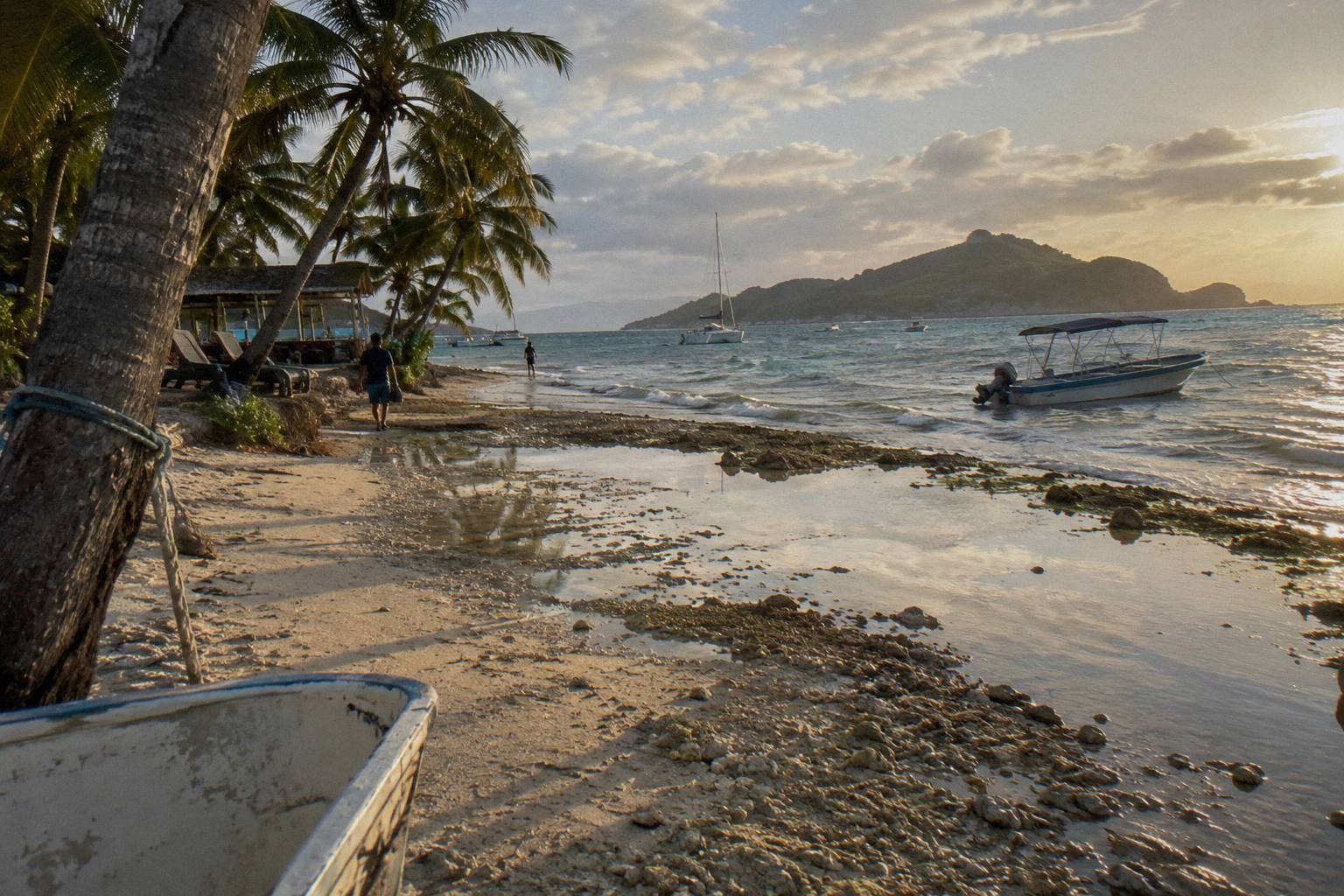
The differences sit in the details. The operator's own site for the Monuriki landing cruise states 48 hours in its direct-booking wording, so if you book through the live listing the 24-hour rule governs, and if you book direct the operator's own page governs; never mix the two when reading the terms. The South Sea Cruises sailing day does not state a weather policy on its listing, though it does carry the standard 24-hour free cancellation. And two tours in the roster, the Captain Cook all-inclusive day sail and the Malamala Beach Club day, list their price only on the live booking page, so the refund conversation for those starts with checking the current price shown there on the booking page. More of these guides are collected on Monuriki Island Cruises.
| Tour | Free cancellation | Weather policy stated | Other fee notes |
|---|---|---|---|
| Cruisin' Fiji Monuriki day cruise | Yes, full refund up to 24 hours before start | Yes: different date or full refund if cancelled for poor weather | Denarau Marina departure levy at check-in |
| South Sea sailing day | Yes, full refund up to 24 hours before start | Not stated on the booking page | Mandatory $5 per adult and $5 per child 5 to 15 fuel surcharge |
| Full Day Castaway Island with Lunch | Yes, full refund up to 24 hours before start | Yes: different date or full refund if cancelled for poor weather | Optional kids club 3 to 12 years costs extra |
| Captain Cook all-inclusive day sail | Yes, full refund up to 24 hours before start | Yes: different date or full refund if cancelled for poor weather | Booking page shows the current price |
| Malamala Beach Club full day | Yes, full refund up to 24 hours before start | Yes: different date or full refund if cancelled for poor weather | Booking page shows the current price |
A wet-season booking therefore deserves two habits. First, leave a buffer day or two in your itinerary around the cruise, so a reschedule offer can actually be used; this matters most in January and February, the usual cyclone peak. Second, reconfirm the day before, because the decision to run is made by the operator on the conditions of the day, not by the calendar. If your whole trip is short and unmovable, that is the strongest argument for shifting to the May to October window, and it is the same logic applied in the Monuriki cruise booking, pickup and cancellation guide.
For travellers comparing formats rather than months, the sailing day is the natural contrast with the Monuriki landing cruise: 7 hours against 8, from $128.0 per person against $136.31, with a minimum age of 5 and drinks through the day.
Crowds, Prices And When To Book
Prices on the three day cruises with a listed price do not change with the seasons on their booking pages: the sailing day is from $128.0, the Cruisin' Fiji Monuriki cruise from $136.31 and the Castaway Island day from $176.42, all per person in USD, with extras such as the Denarau departure levy and the sailing day's $5 fuel surcharge on top. The thing that tightens in peak periods is availability, not price.
That distinction matters because a lot of tropical-destination advice assumes dynamic pricing. Here, the honest statement is that the from-prices are fixed listing figures and the seasonal pressure shows up in seats. The Monuriki landing cruise carries a maximum of 63 guests, the Captain Cook day sail lists a maximum of 100, the Malamala Beach Club day lists 70, and the other two do not state a group cap. A 63-guest boat in a week when school holidays or a reschedule backlog coincide can fill, and the free-cancellation window means late bookers carry the most risk of finding the day full. Booking two to four weeks ahead in the cooler season, and further ahead around the December to January holiday stretch, is the practical pattern.
| Day cruise | Duration | Listed from price per person | Rating and reviews | Departure point |
|---|---|---|---|---|
| Cruisin' Fiji Monuriki, Mana Sand Bar and Snorkelling | 8 hours | $136.31 | 4.9 across 2,736 reviews | Denarau Marina (Booth 6) |
| South Sea sailing day with lunch and drinks | 7 hours | $128.0 | 4.8 across 217 reviews | Port Denarau |
| Full Day Castaway Island with Lunch | 9 hours | $176.42 | 4.3 across 119 reviews | Port Denarau Passenger Terminal |
| Captain Cook all-inclusive island and reef day sail | 7 hours | On the booking page | 4.5 across 821 reviews | Port Denarau Marina |
| Malamala Beach Club full day | 8 hours | On the booking page | 4.6 across 782 reviews | Port Denarau Passenger Terminal |
Two costs sit outside the headline figures. The booking page for the Monuriki cruise lists a Denarau Marina passenger departure levy payable at check-in, and transfers from outside Denarau carry a fee. The sailing day adds a mandatory fuel surcharge of $5 per adult and $5 per child aged 5 to 15. A Tourism Services Tax applies to qualifying Fiji tourism operators from 1 September 2026, so check the booking page before assuming. The full cost picture, including what the fees add up to, is laid out in the Monuriki Island cruise cost guide.
For families with younger children the Castaway Island day is the other seasonal wildcard: infants sit on laps, an optional kids club for ages 3 to 12 costs extra, and the day spends five hours on Castaway Island, which is a resort island in the Mamanucas and a different place from Monuriki, the film island. That name confusion is the single most expensive mistake in this market, and it is covered properly in Cast Away island cruise or Castaway Island resort.
Common Mistakes When Timing A Monuriki Day Cruise
The mistakes that cost people are treating the wet season as a shutdown, assuming a month can be safe, booking the day before a flight home, confusing the film island with the resort island, and mixing up the two cancellation windows. The wet season still delivers most of its days; no month is guaranteed in either season; and the two Monuriki-related islands are different places with different cruises. Each of these errors is avoidable with one piece of planning.
The first mistake is binning the wet season entirely. The cyclone outlook is a regional probability statement, not a forecast of your week, and the reschedule-or-refund terms mean a washout costs you a day, not your money. The second is the opposite error: treating May to October as a promise. Operators run weather permitting, every single month, and a poor-weather cancellation can happen outside the wet season too. The third mistake is scheduling the cruise on your last full day. With no buffer, a reschedule offer is worthless; put the cruise mid-trip so a moved day can still happen. The fourth, and the costliest, is booking "Castaway Island" expecting the beach from the film. Castaway Island, or Qalito, is a resort island in the Mamanucas; Monuriki is the uninhabited islet where Cast Away was filmed, and the island's own encyclopaedia entry records the filming plainly. Only the Cruisin' Fiji day cruise in this roster lists a Monuriki stop. The fifth mistake is quoting the wrong cancellation rule at the wrong counter: 24 hours is the booking-page term across the roster, while the operator's own site for the Monuriki cruise says 48 hours in its direct-booking wording. Read the terms on whichever channel you actually book through.
One quieter error deserves a line of its own: packing for the wrong season. The operator's bring list is swimwear, towels, sunscreen, sun hats and a camera, and reef-safe sunscreen is advised by operators for the sandbar stop, in every month. If you want the fuller kit reasoning, the what to bring on a Monuriki Island cruise guide handles it in detail, and the best day cruise in Fiji post adds a broader view.
Whatever month you settle on, the beach club day is the most weather-tolerant fallback in the roster, an 8-hour South Sea Cruises product with snorkel gear included, worth holding in reserve if a Monuriki day is moved.
Pulling The Timing Decision Together
Pick May to October for the steadiest conditions and freshest air if your dates flex; pick November to April for warmth, thinner crowds and the shearwater breeding season if you can hold a buffer day. Then book the itinerary you actually want: only the Cruisin' Fiji day cruise lists the Monuriki landing, from $136.31, while the alternatives swap the film island for a sailing, resort island or beach club day.
The month is the frame, not the picture. A January cruise that lands on Monuriki for a lovo lunch and two and a half hours on the beach is the same itinerary as a July one, and the rating that cruise carries, 4.9 across 2,736 reviews, was earned across every season of the year. What the timing decision really buys you is the probability of a smooth day and the comfort of the hours around it. Start from your constraints, add the buffer day, check the booking page for the current price and the departure details, and let the operator's weather call do the final filtering.
These three remain the natural shortlist: the Monuriki landing cruise, the all-inclusive sail and the beach club day.
Common Questions About The Best Time For A Monuriki Island Cruise
What Is The Best Time For A Monuriki Island Cruise?
The cooler, drier stretch from roughly May to October is generally the easier window, with the cyclone season over and fresher air for a full day on the water. The wet season, roughly November to April, is warmer and overlaps the cyclone season, but cruises still run on most days and every tour in this comparison offers free cancellation up to 24 hours before the start.
Is Cyclone Season A Reason To Avoid Fiji In January?
Not by itself. The Fiji Meteorological Service 2026-27 outlook expects two to three cyclones to pass through Fiji's Exclusive Economic Zone, with the peak usually in January and February, but a cyclone is a week-level event. Book mid-trip with a buffer day, and the reschedule-or-refund terms cover a poor-weather cancellation.
Do Monuriki Cruises Run Year Round?
The Monuriki landing cruise departs Port Denarau at 9:00 am year round, weather permitting. There is no seasonal closure, and if the operator cancels for poor weather the terms offer a different date or a full refund.
Are Prices Higher In Peak Season?
The listed from-prices do not move with the seasons: the sailing day is from $128.0, the Monuriki landing cruise from $136.31 and the Castaway Island day from $176.42 per person in USD. What tightens in busy periods is availability, especially on the 63-guest Monuriki boat.
Which Wildlife Follows A Season On Monuriki?
Wedge-tailed shearwaters return to breed on Monuriki between October and April, in a colony counted among the largest and most important in the South Pacific. Turtles also nest on the island's beaches, and the Fijian crested iguana population there is genetically unique, though no sighting is ever guaranteed.
What Happens If My Cruise Is Cancelled For Weather?
The stated weather policy on four of the five tours, including the Monuriki landing cruise, is a different date or a full refund when the operator cancels for poor weather, and all five carry free cancellation with a full refund up to 24 hours before the start.